Industrial Foot Switches for Hands-Free Control.
Explore how an Industrial Foot Switches enables hands-free operation. Learn about types, safety features, and choosing the right one for your workshop or factory.
What is a Foot Switch?
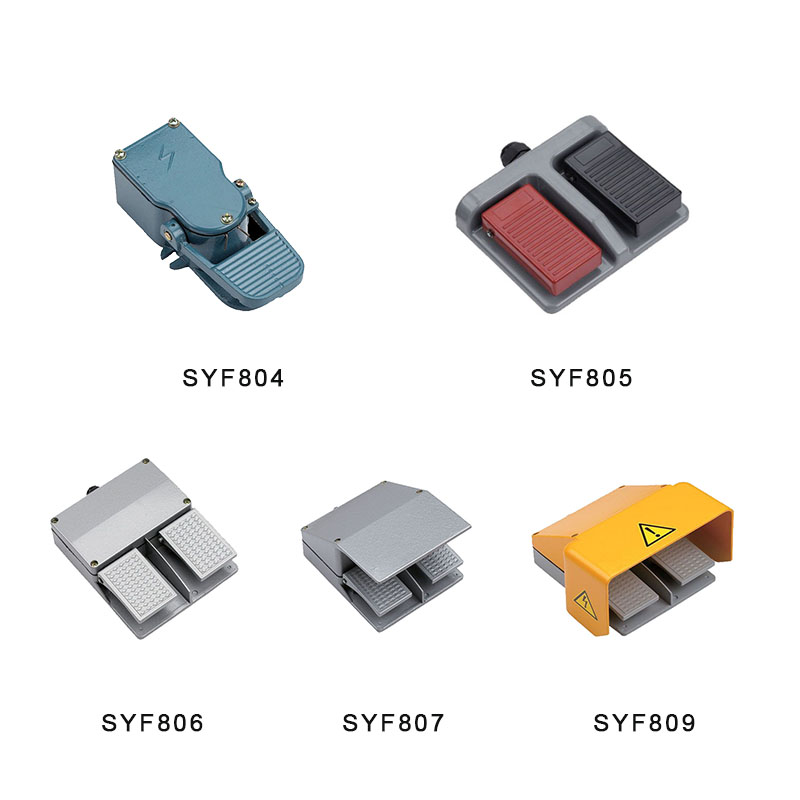
Let’s get straight to it. A foot switch is a simple yet brilliant control device that you operate with your foot. This hands-free functionality is its biggest advantage. By using a foot pedal, operators can keep both hands focused on the task, whether it’s sewing, operating a machine tool, or controlling medical equipment. This basic principle makes a foot control an invaluable tool for improving workflow efficiency and ergonomics across countless industries. From industrial manufacturing and woodworking to dental offices and music studios, these switches provide a reliable and intuitive way to manage machinery.
Key Types and Their Mechanisms
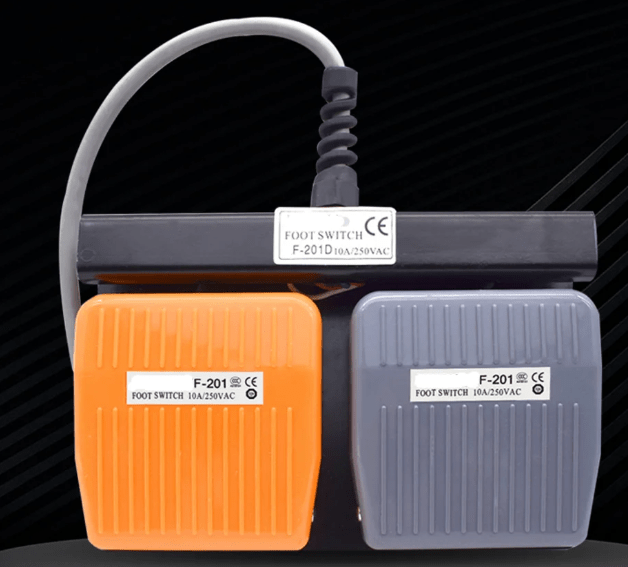
Not all foot switches work the same way. Understanding the common types helps you find the perfect fit. The most basic version is a simple momentary contact switch. This type only activates the machine while you press the pedal down, similar to a car’s accelerator. It’s ideal for processes requiring direct, on-the-fly control. Alternatively, a maintained contact switch acts more like a light switch. You press it once to turn the machine on, and it stays on until you press it again to turn it off. This type works well for long, continuous operations. Additionally, some heavy-duty foot pedal models feature a protective guard to prevent accidental activation, a critical feature for safety.
Designed for Durability and Safety
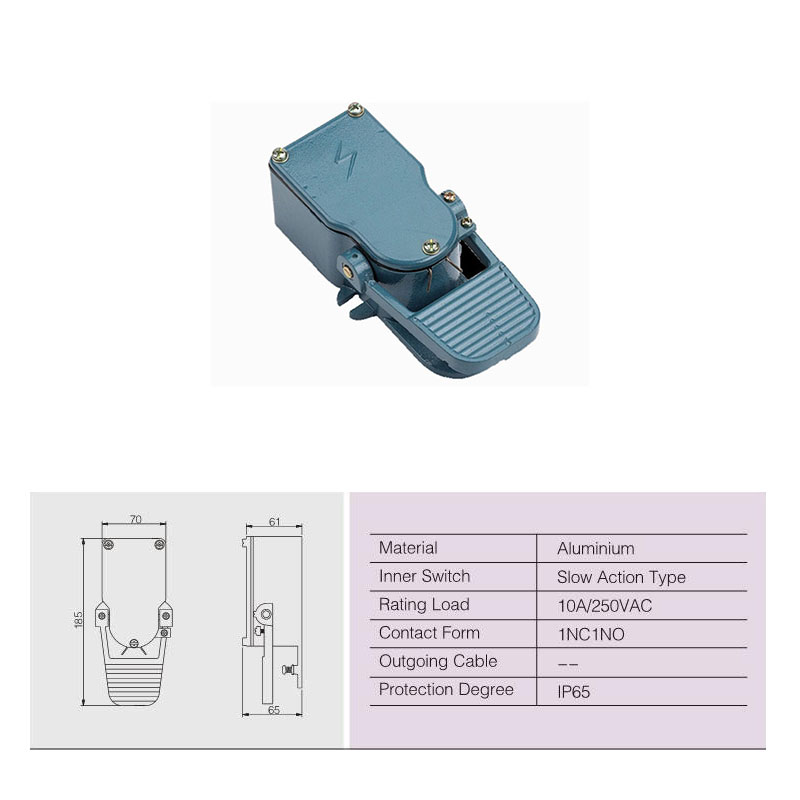
A well-built industrial foot switch is tough. Manufacturers design them to withstand harsh environments, including exposure to dust, coolants, and physical impact. The housing is often made from robust materials like cast iron or reinforced plastic, ensuring a long service life. Safety is another paramount concern. Many models feature a sealed design to prevent liquid ingress, with ratings like IP67 indicating they can handle occasional washdowns. Furthermore, the best foot control switches have a non-slip base to keep them firmly in place during use, preventing dangerous slips or mishaps. These design features ensure reliable performance day in and day out.
Choosing the Right Switch for Your Needs
So, how do you select the best foot switch? Start by considering your specific application. What kind of machine will you control? Next, think about the electrical requirements, such as voltage and current rating, to ensure compatibility. The physical environment matters too; for a wet or dusty workshop, you will need a switch with an appropriate IP protection rating. Also, consider ergonomics—the pedal’s size and the amount of force required to activate it should be comfortable for the operator over a full work shift. Taking these factors into account guides you toward a switch that enhances both productivity and operator comfort.

Conclusion: A Simple Step Toward Better Workflow
In summary, integrating a foot switch into your operation is a smart move for efficiency. This practical device frees up the operator’s hands, leading to smoother workflows and reduced fatigue. Its robust and often safety-focused design makes it a reliable partner in demanding settings. By understanding the different types and key selection criteria, you can easily find a foot control solution that meets your technical needs and improves overall ergonomics. It’s a small investment that can make a significant difference in your daily productivity.
#Industrial Foot Switches