Solid State Relays: Silent & Reliable Switching.

Explore the advantages of Solid State Relays (SSRs) over traditional relays: silent operation, long life, and reliability for modern industrial and HVAC systems.
When you need to control a high-power electrical circuit with a low-power signal, you typically think of a relay. However, the traditional electromechanical relay (EMR) with its clicking contacts and moving parts isn’t always the best fit for today’s demanding applications. This is where the Solid State Relay (SSR) shines. An SSR performs the same essential function—isolating and switching a load—but it does so using semiconductor technology. This fundamental difference unlocks a suite of benefits that are crucial for modern industrial automation, HVAC systems, and precision equipment. Let’s dive into what makes SSRs a superior choice for many applications.
How They Work: No Moving Parts, Just Semiconductors
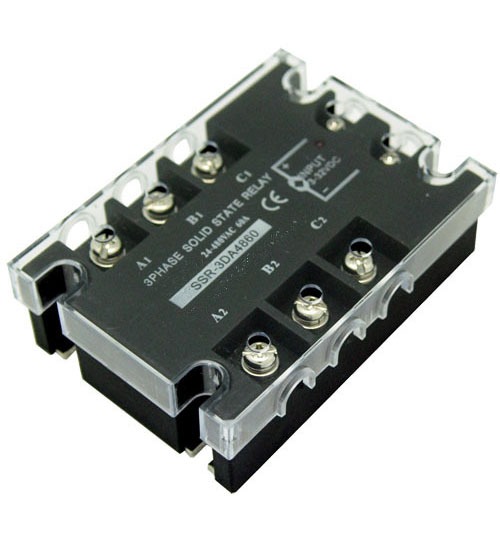
The core advantage of a Solid State Relay lies in its design. Unlike an EMR that uses a physical electromagnet to open and close metal contacts, an SSR has no moving parts. Inside its compact housing, an input circuit (like an LED) accepts your low-voltage control signal. This optically isolates it from the output circuit, which uses power semiconductors like thyristors or MOSFETs to switch the load current on and off. This all-electronic operation is the source of the SSR’s remarkable reliability and performance characteristics. There’s no mechanical wear, arcing, or bouncing contacts to worry about.
Key Benefits: Silence, Speed, and Longevity
So, what does this semiconductor-based design mean for you in practical terms? First, consider operation. SSRs switch silently and without physical vibration. This makes them perfect for noise-sensitive environments. Second, think about speed and lifecycle. With no mechanical inertia to overcome, SSRs can switch on and off incredibly fast—often in microseconds. More importantly, their lifespan is typically measured in millions or even billions of cycles, far outstripping even the most robust EMRs. This translates to less maintenance, reduced downtime, and higher system reliability over many years of service.
Ideal Applications: Where SSRs Really Shine
Understanding where to apply Solid State Relays helps you maximize their value. They are exceptionally well-suited for applications requiring frequent switching, such as temperature controllers in ovens or plastic molding machines, where their speed and longevity pay off. Their silent, spark-free operation makes them ideal for hazardous or explosive environments and noise-sensitive equipment. Furthermore, because they don’t suffer from contact erosion, they are excellent for controlling delicate loads or situations where a clean, bounce-free signal is critical. Common use cases include industrial furnace control, HVAC systems, conveyor motor controls, and stage lighting systems.
Important Considerations for Selection
Of course, no component is perfect for every situation. When selecting an SSR, you must account for its unique characteristics. For instance, SSRs generate internal heat during operation and often require a heatsink for proper thermal management. They also typically have a small leakage current in the “off” state and may not provide the absolute physical isolation of an open EMR contact. Additionally, they are generally designed for AC or DC loads specifically, so choosing the correct type for your voltage and current requirements is essential. Properly addressing these points during design ensures optimal performance.
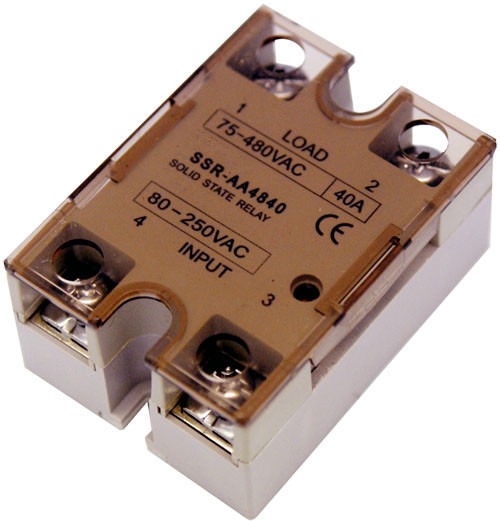
In summary, the Solid State Relay offers a modern, high-performance solution for electrical switching challenges. By eliminating moving parts, it delivers silent operation, blistering speed, and exceptional longevity that can dramatically improve system uptime. While they require careful selection regarding heat dissipation and load type, their benefits in the right application are undeniable. For engineers and system designers looking to build more reliable, maintenance-friendly, and quiet equipment, transitioning to SSRs is a forward-thinking decision that pays dividends in performance and reliability.
#Solid State Relays