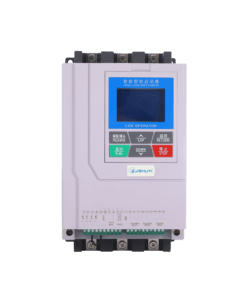
Energy Saving Soft Starters for Motor Efficiency.

Discover energy saving soft starters for motor efficiency. Learn how these devices reduce power consumption, lower electricity costs, and optimize motor performance.
Introduction
Electric motors consume about 70% of the electricity used in industrial settings. Direct-on-line starting wastes energy through high inrush currents and inefficient acceleration. This energy waste increases operational costs and shortens equipment life. Energy saving soft starters address this problem effectively. They optimize the motor starting process, reducing electrical losses and improving overall system efficiency. If your facility aims to reduce energy consumption and lower electricity bills, energy saving soft starters offer a practical solution. They deliver measurable savings while extending equipment life.
How Energy Saving Soft Starters Reduce Consumption
Energy saving soft starters optimize motor starting through controlled voltage ramping. During startup, the soft starter gradually increases voltage instead of applying full power instantly. This reduces the inrush current by up to 70% compared to direct-on-line starting. Lower inrush current means less reactive power draw. This improves the power factor and reduces overall electrical losses. During running, some advanced energy saving soft starters also monitor load conditions. They adjust voltage to match the actual demand, reducing consumption during light-load periods. This feature is called energy optimization or energy saving function. When the motor runs at less than full load, the soft starter reduces voltage, lowering magnetic losses. This can achieve energy savings of 3% to 12% depending on the application.
Key Energy Saving Features
Modern energy saving soft startes incorporate several features that contribute to energy efficiency. First, they offer adjustable start profiles that optimize acceleration for specific loads. This prevents energy waste during extended starting times. Second, they provide power factor correction. By reducing reactive power during startup, they improve overall system efficiency. Third, some models include built-in energy meters that track consumption and show savings in real time. This data helps operators verify the financial benefits and justify the investment. Fourth, advanced soft starters offer communication capabilities that allow integration with energy management systems. Operators can monitor motor energy consumption remotely and optimize performance across multiple motors.
Common Applications
Energy saving soft starters serve many industries and applications where motors run frequently. In water pumping, they reduce energy consumption while preventing water hammer. In HVAC systems, they start chillers, compressors, and fans efficiently. In material handling, they provide smooth acceleration for conveyors while saving energy. In mining and mineral processing, they control crushers and grinding mills with optimized starts. In manufacturing, they operate extrusion machines, mixers, and presses with reduced energy waste. Any application with frequent starts or variable loads benefits from energy saving soft starter. The energy savings add up quickly, often providing a return on investment within 12 to 24 months.
Selecting an Energy Saving Soft Starter
Choosing the right energy saving soft starter requires consideration of several factors. First, match the current rating to your motor’s full load current. Include a safety margin for continuous duty. Next, evaluate the application’s starting frequency and duty cycle. Frequent starts require soft starters with higher thermal capacity. Consider the voltage and current range that fits your supply. Most models offer adjustable ramp times and starting torque settings. Look for advanced features such as energy saving function and built-in energy monitoring. Also, consider the communication protocols that enable integration with building or plant management systems. Some models also offer bypass contactors that eliminate losses during continuous running, further improving efficiency.
Conclusion
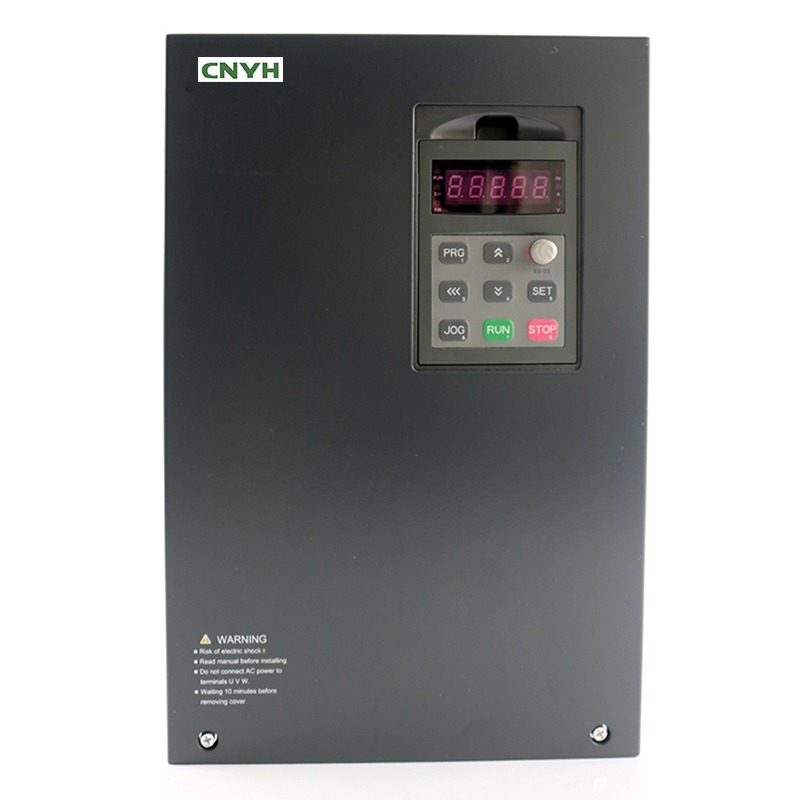
Energy saving soft starter provide a practical, cost-effective solution for reducing energy consumption in motor-driven applications. They optimize motor starting, reduce inrush current, and improve overall system efficiency. With built-in energy monitoring and advanced control features, these devices deliver measurable savings and quick return on investment. When you need to lower electricity costs while extending motor life, energy saving soft starter offer reliable performance. They combine motor protection with energy efficiency, making them an essential component in modern industrial automation.
energy saving soft starters
motor efficiency
inrush current
energy consumption
power factor
energy optimization
water pumping
HVAC systems
return on investment
motor protection