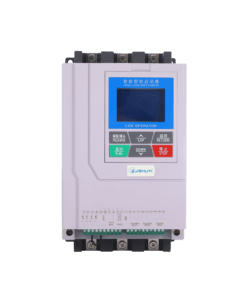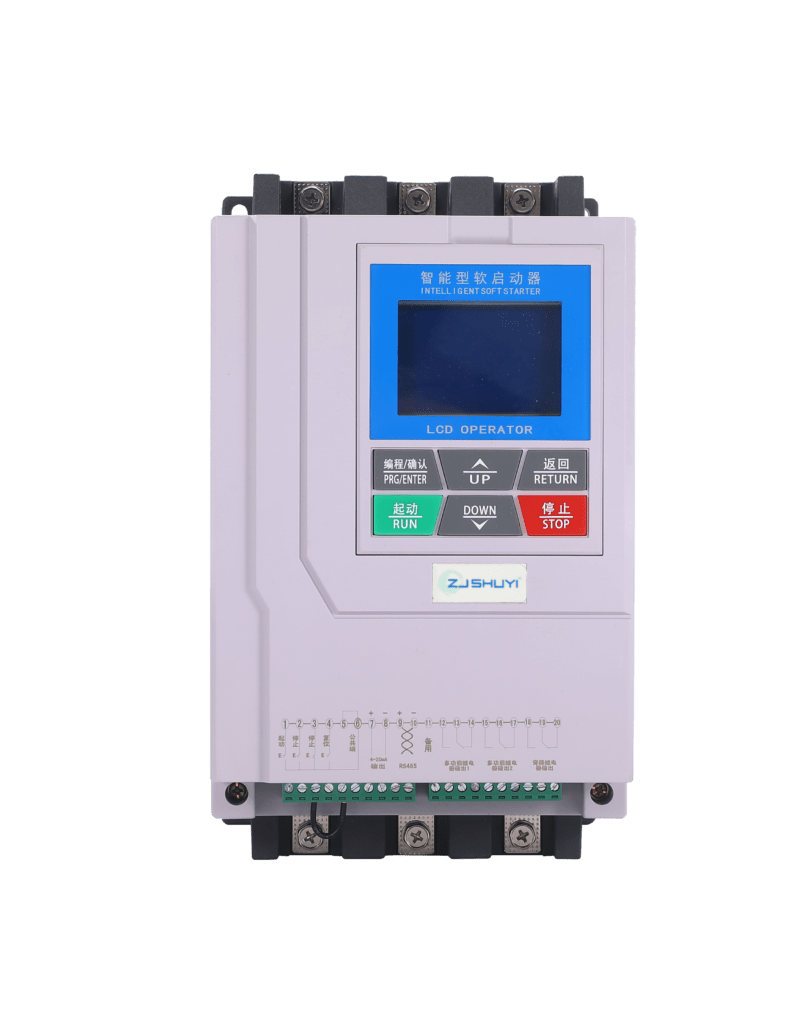
Low Voltage Soft Starters for Cost-Effective Motor Control.
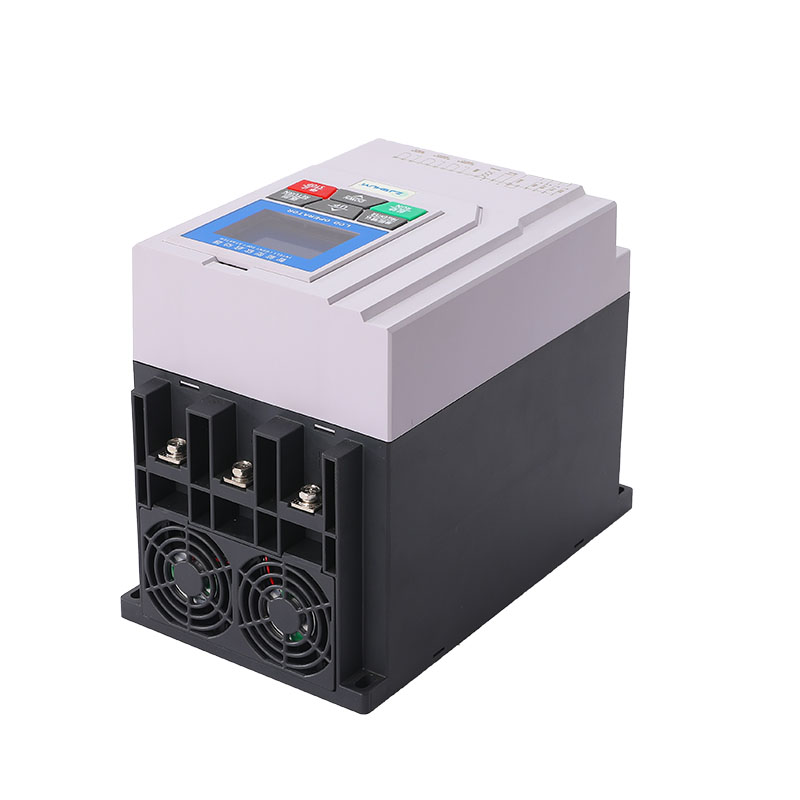
Explore low voltage soft starters for cost-effective motor control. Learn how these devices reduce inrush current and protect motors in industrial applications.
Introduction
Low voltage soft starters are essential components in modern industrial motor control systems. They limit starting current, reduce mechanical stress, and extend motor life. Specifically, they are ideal for applications where cost-effective motor control is important. If your facility operates motors up to 690V, low voltage soft starters offer an excellent balance of performance and affordability.
How Low Voltage Soft Starters Work
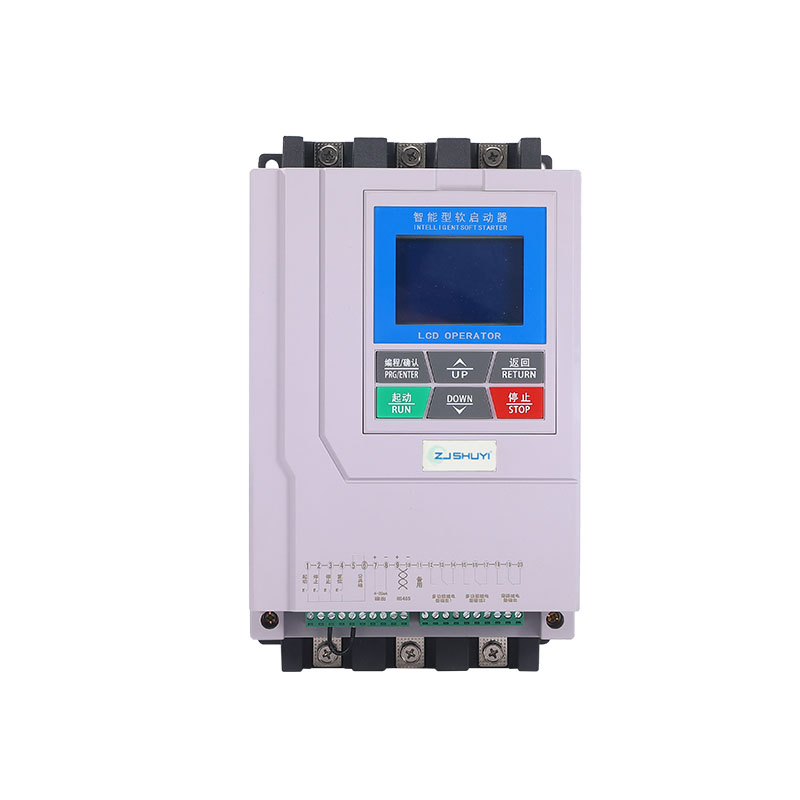
Low voltage soft starters reduce the voltage applied to the motor during startup. This control limits the inrush current to a manageable level. The starter gradually increases voltage to the motor, providing smooth acceleration. This process reduces mechanical shock to the motor and connected equipment. Many modern low voltage soft starter include built-in bypass contactors . The bypass function eliminates heat generation during continuous running, improving energy efficiency .
Key Features and Benefits
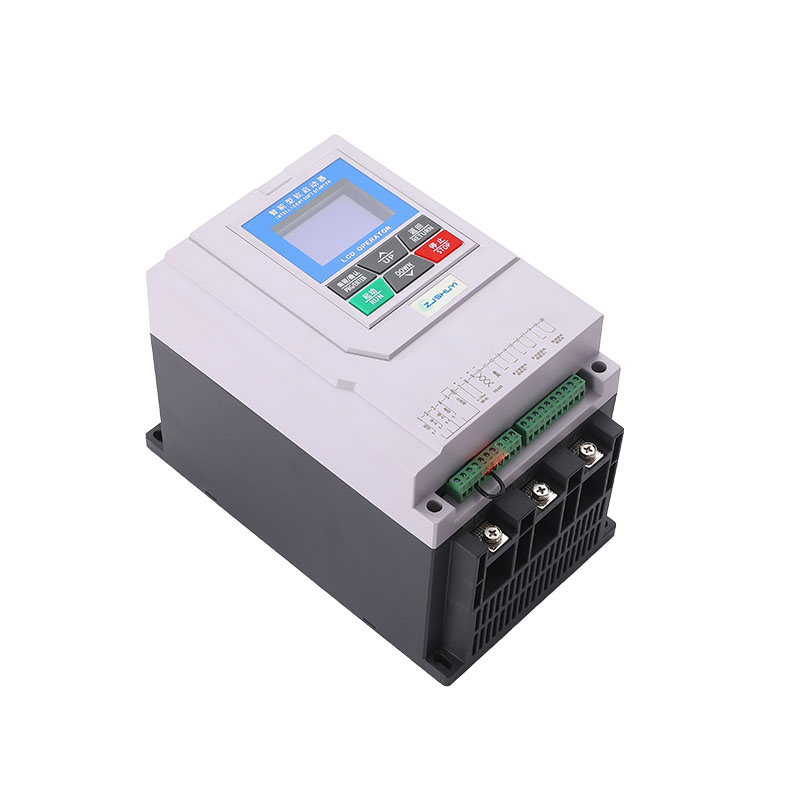
Low voltage soft starter incorporate several features that enhance motor control and protection. First, they offer adjustable starting parameters. You can customize current limits and ramp times for different loads. Second, many models include comprehensive motor protection. Overload, phase loss, and overheating protection are common features . Third, they are compact. Designs as shallow as 6.5 inches (165mm) allow easy mounting in confined spaces . Fourth, they support communication protocols like Modbus for system integration . Fifth, the built-in bypass design increases efficiency to 99.5% during running .
Applications Across Industries
Low voltage soft starter serve many industrial applications. In water and wastewater treatment, they control pumps and reduce water hammer. In HVAC systems, they start chillers and large fans smoothly. In material handling, they accelerate conveyors without belt damage. In mining and mineral processing, they start crushers and conveyors. In manufacturing, they operate extruders, mixers, and presses. Any application with a motor from 5HP to 1500HP benefits from low voltage soft starter .
Selecting the Right Low Voltage Soft Starter
Choosing the appropriate low voltage soft starter requires careful evaluation. First, match the current rating to your motor’s full load current. Ratings range from 1A to 1250A . Next, consider the voltage requirements. Most low voltage soft starter operate from 200V to 690V . Consider the starting torque requirements of your load. High-inertia loads may need longer start times. Evaluate the duty cycle. Frequent starts generate more heat and may require higher-rated units. Check available protection features. Look for overload, phase loss, and thermal monitoring. Finally, consider communication capabilities for integration with control systems.
Conclusion
Low voltage soft starter provide an effective and economical solution for controlling motor starts. They reduce starting current, minimize mechanical stress, and protect motors from damage. By selecting the right starter for your application, you can achieve smooth, reliable motor operation that benefits both equipment and processes.
low voltage soft starters
cost-effective motor control
inrush current
bypass contactor
motor protection
water treatment
HVAC systems
current rating
energy efficiency
industrial applications