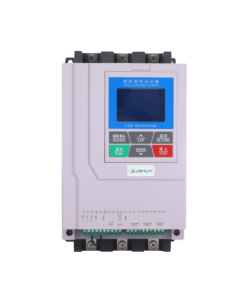
Choose a Good VFD – Smart Buyer’s Guide.

Learning how to choose a good VFD saves energy and downtime. Check the motor, load, and power supply before you buy.
How to Choose a Good VFD: What Really Matters
A variable frequency drive does more than start a motor. It controls speed, saves energy, and protects equipment from overloads. But walk through any supplier’s catalog, and you’ll see hundreds of models. So how do you choose a good VFD without getting lost? Focus on three things: the motor, the load, and the power supply. Get those right, and the rest falls into place.
Match the VFD to the Motor
First, check the motor nameplate. Note its power rating, voltage, and full-load current. The drive must handle that current continuously without overheating. In addition, check whether the motor runs on single-phase or three-phase power. Some drives support both, while others handle only one. You’ll also want to match the drive’s control mode to the job. V/F control suits simple fans and pumps, while sensorless vector control gives you higher torque at low speeds. Choosing a good VFD starts with reading the motor specs, not guessing.
Match the VFD to the Load
Next, think about what the motor drives. A pump needs a gentle ramp to avoid water hammer. A conveyor may need high starting torque to overcome friction. A fan with high inertia needs a longer ramp so the motor doesn’t stall. Look for a drive with adjustable ramp time, torque boost, and current limit. Those settings let you tune performance to the load. In addition, check whether the drive includes a built-in braking chopper or EMC filter, since those options cut the need for extra hardware.
Match the VFD to the Power Supply
Finally, consider the power supply. Check the input voltage and frequency, and confirm the drive matches. Also think about the environment. A dusty or wet area calls for a drive with a higher IP rating or a sealed enclosure. And if the panel is crowded, a slim or modular drive may fit better. Don’t forget protection features—overload, overvoltage, and short circuit—since these guard the motor from common faults.

Why It Pays to Choose Carefully
In short, choosing a good VFD comes down to motor, load, and power supply. Nail those three, and you get smooth control with lower energy bills. If you’re unsure which model fits, talk to a supplier. They can help you match the rating, control mode, and protection to your exact needs.
- choose a good VFD
- VFD selection
- motor control