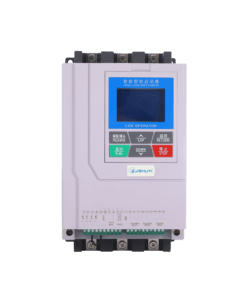
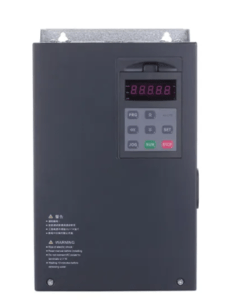
Inverter Applications Across Modern Life.
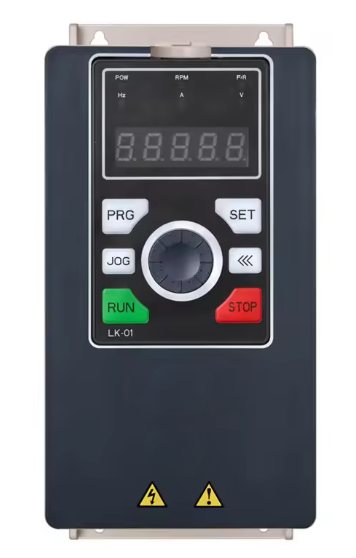
Explore common inverter applications in homes, RVs, solar systems, and job sites. Learn how inverters turn DC power into usable AC power.
1. Home Backup and Everyday Convenience
Let’s start where most people first discover inverter applications: home power backup. When the grid goes down, a good inverter lets you keep lights on, run your fridge, or charge your phone.
An inverter takes DC power from a battery — like a 12V or 24V battery bank — and converts it into standard AC power (110V or 220V). That means you can run regular household appliances without a generator’s noise or fumes. Many homeowners use a small inverter for their TV, router, or fan during outages. For longer blackouts, a larger inverter paired with solar panels or a battery system keeps essential loads running smoothly.
2. RVs, Campers, and Overlanding Vehicles
Now let’s hit the road. Inverter applications are a game-changer for RV and camping life. When you’re off-grid, you don’t have a shore power hookup. But you do have a house battery.
A pure sine wave inverter turns that battery power into clean, stable AC. That lets you run a laptop, charge a drone battery, or even use a small microwave. For overlanding enthusiasts, a 1000W to 3000W inverter can power tools, a coffee maker, or a portable fridge. No need to idle your engine all day. Just plug into your inverter and enjoy modern comforts wherever you park.
3. Solar Energy Systems and Off-Grid Living
Here’s where inverter applications really shine: solar power. Solar panels produce DC electricity. But your home and most appliances run on AC. So you need an inverter to bridge that gap.
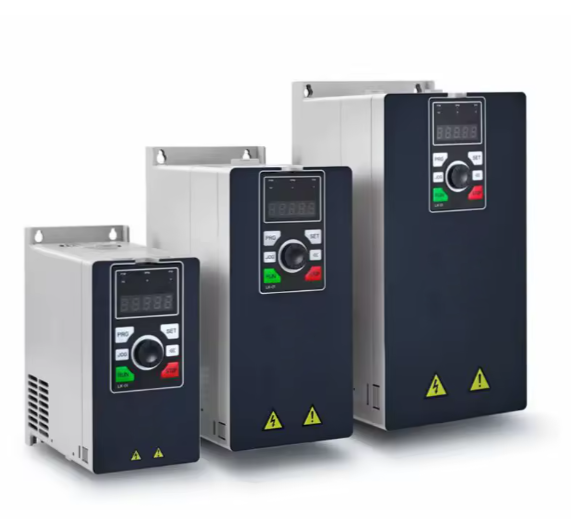
In a grid-tied solar system, a string inverter or microinverters convert DC from your panels into AC for your home or the utility grid. In an off-grid setup, a battery-based inverter charges your batteries during the day and pulls from them at night. Many modern inverters also come with built-in charge controllers or transfer switches. That means one device handles multiple jobs. For anyone looking to cut energy bills or live sustainably, an inverter sits right at the heart of the system.
4. Job Sites and Mobile Work Power
Don’t forget about tradespeople and contractors. Inverter applications make mobile work much easier. Think about a service truck, a construction trailer, or a mobile repair van.
Instead of running a loud gas generator, you can install a power inverter connected to the vehicle’s alternator and battery bank. Then you’ve got silent, clean AC power right on site. That’s perfect for running drills, chargers, lights, or even a small welder. Some inverters offer 2000W or more, which handles most job site tools. Plus, no fumes mean you can work inside a van or trailer with the doors closed — safer and more comfortable.
5. Marine, Boats, and Emergency Preparedness
Finally, let’s go out on the water. Inverter applications also help boat owners. A boat’s electrical system runs on DC batteries. But what if you want to run a small TV, a coffee maker, or charge a laptop while anchored?
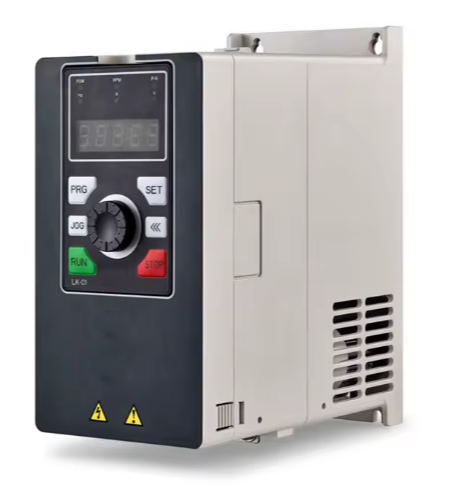
A marine-grade inverter does exactly that. Many boaters choose a 1000W to 2500W pure sine wave model to handle sensitive electronics. Similarly, emergency preparedness kits often include a portable inverter. Pair it with a deep-cycle battery, and you’ve got backup power for a sump pump, a medical device, or a communication radio during a storm.
#inverter applications #inverter