Motor Protection Basics You Can Use Today.
Learn simple ways to improve motor protection. Reduce burnout, cut downtime, and keep your equipment running longer.
Why Your Motors Need More Love
You rely on your motors every shift. But heat, overload, or voltage swings can kill them fast. That’s where motor protection comes in. Think of it as a safety net for your most hardworking equipment. Without it, you risk sudden breakdowns, costly repairs, and messy production delays. The good news? You don’t need a complex setup. A few smart choices give you reliable motor protection without breaking the bank. Let’s walk through what actually works on the floor.
Three Signs Your Current Setup Falls Short
First, do you reset the same overload relay every week? That’s a red flag. Second, if your motors feel too hot to touch during normal runs, you’re losing insulation life fast. Third, frequent nuisance tripping means your motor protection isn’t tuned right. These issues usually point to mismatched settings or missing features like phase loss detection. So instead of blaming the motor, check your protection first. A small adjustment today can save you a full replacement tomorrow.
Pick the Right Tools for Real Protection
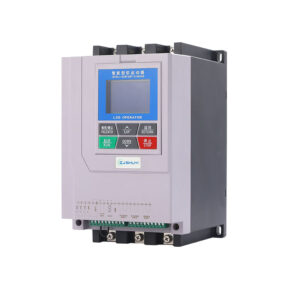
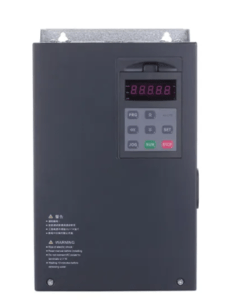
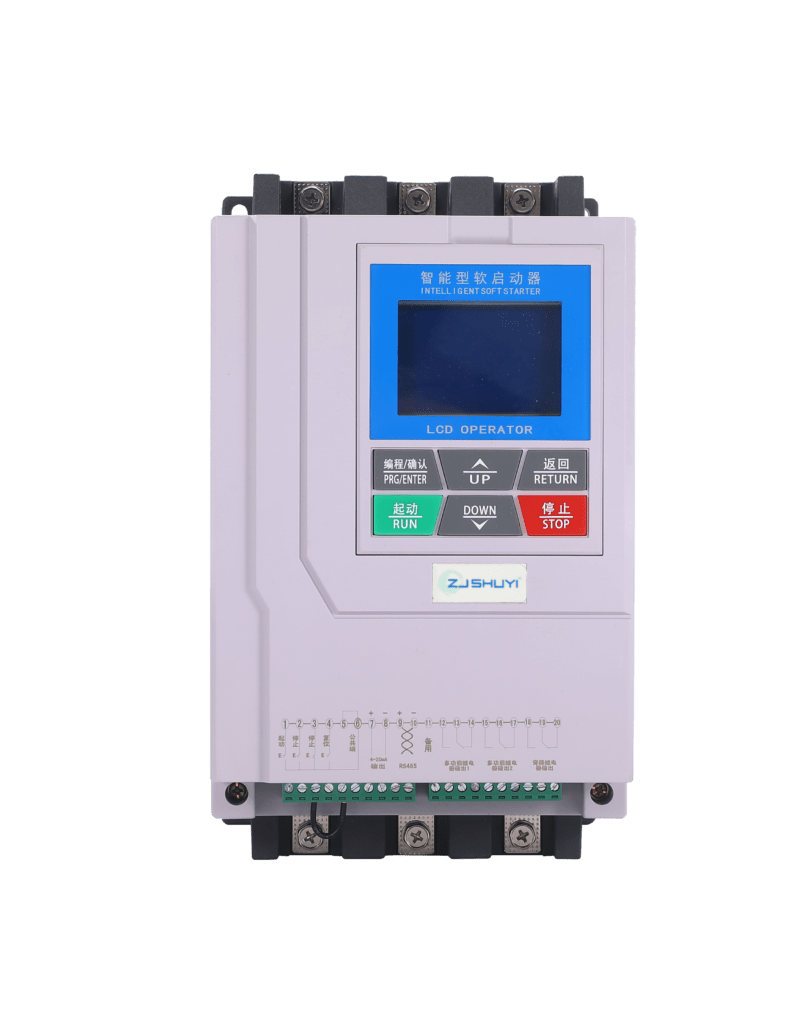
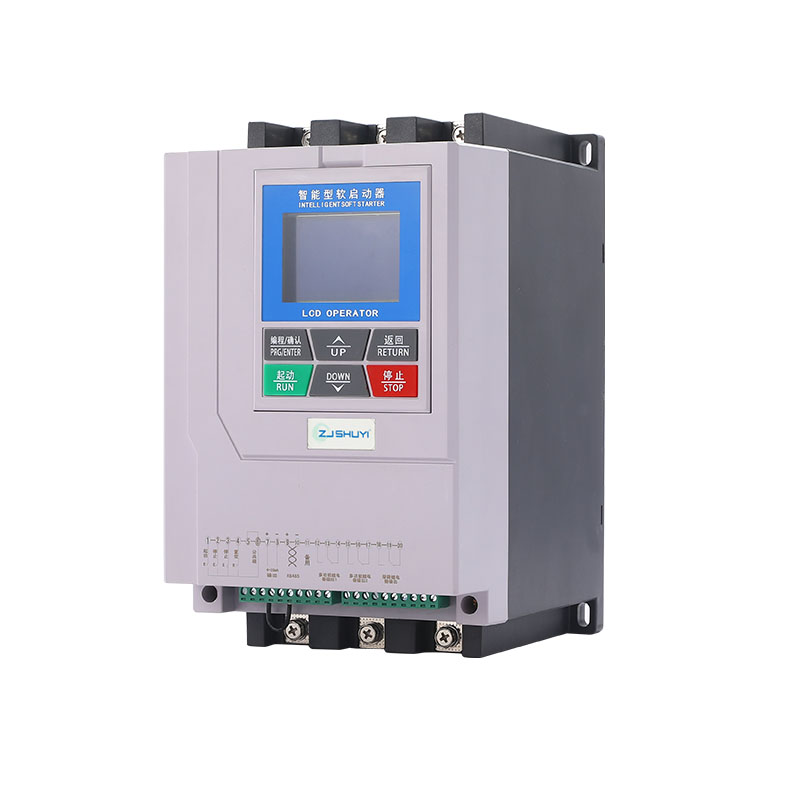
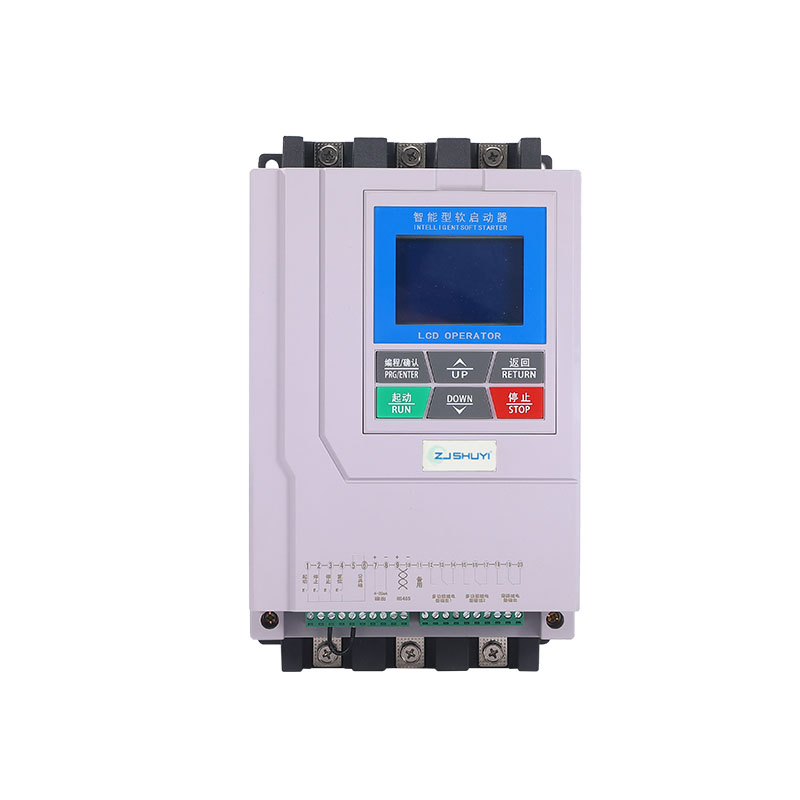
Start with a simple thermal overload relay. It handles most daily risks. But for tougher conditions, add a magnetic contactor and a solid-state relay. These give you faster response and better accuracy. Many plants also use a voltage monitor. It watches for dips or surges and shuts things down before damage happens. That’s motor protection you can trust—no guesswork needed. Also, don’t forget short-circuit protection. A properly sized fuse or breaker stops big faults instantly. Combine these pieces, and you cover nearly every common failure mode.
Smart Habits That Extend Motor Life
Even the best gear needs a little help from you. Check your motor’s full-load amps (FLA) and set your overload correctly—most people set it too high. Also, keep control panels clean and dry. Dust and moisture slowly kill connections. Every three months, test your motor protection device by simulating a trip. Make sure it actually shuts off. This five-minute test could prevent a fire or a melted winding. Finally, log any trips. Seeing a pattern helps you fix root causes, not just symptoms.
Bottom Line
Motor protection doesn’t have to be complicated. Choose reliable components, set them right, and do quick monthly checks. You’ll see fewer breakdowns, lower repair bills, and smoother shifts. Start with one motor line, apply these steps, and watch the difference. Your motors will thank you with years of steady work. #Motor protection #Frequency Converter