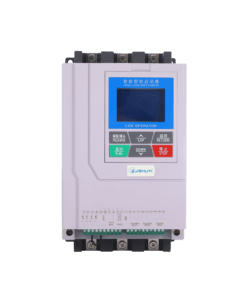
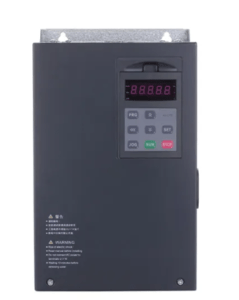
Variable Frequency Drive Model Made Simple
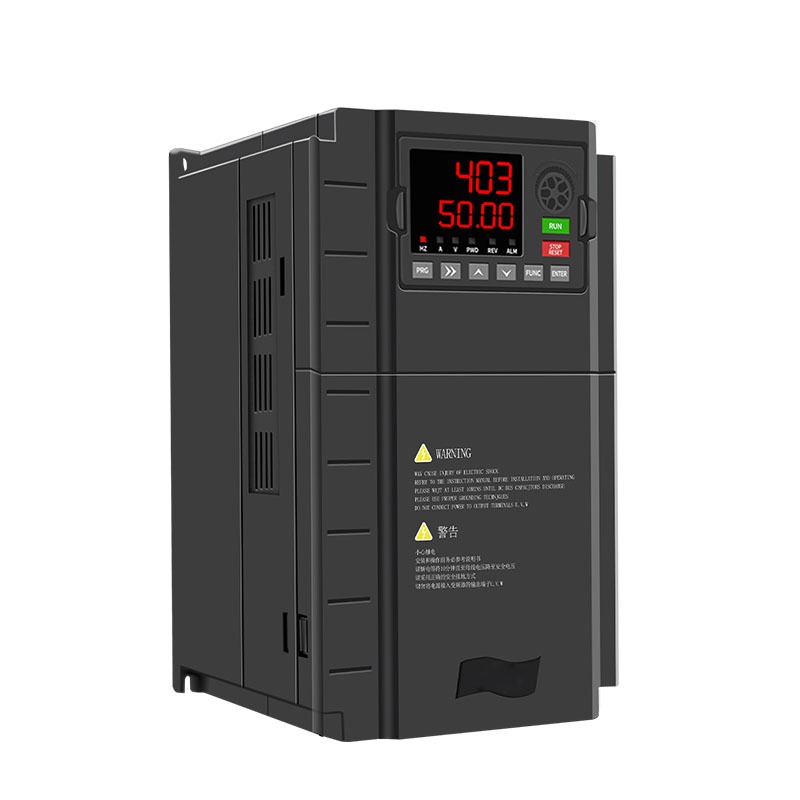
Need a reliable VFD model? This guide explains common types, key features, and how to choose the right drive for your application.
1. What Makes a VFD Model Right for You
You don’t need to be an engineer to pick a good variable frequency drive model. In plain terms, a VFD controls motor speed by adjusting the frequency and voltage going into the motor. That means you save energy, reduce wear and tear, and get smoother starts and stops.
Different VFD models serve different jobs. For simple fans and pumps, a basic volts-per-hertz (V/F) drive works great. For more complex machines like conveyors or cranes, you’ll want a sensorless vector or closed-loop vector drive. These give you better torque at low speeds. So before you buy, think about your motor size, your load type, and how much control you really need.
2. Key Features to Look for in VFD Models
Let’s walk through the features that actually matter. A solid variable frequency drive model includes overload protection, adjustable acceleration and deceleration times, and multiple preset speeds. These help you fine-tune performance without adding external components.
Also, check for built-in EMI filters and coated circuit boards. Those help the drive handle noisy or dusty environments. Many modern VFD models also come with a simple keypad and a removable terminal strip. That makes setup faster and troubleshooting easier. Some even support optional fieldbus communication like Modbus or Profibus, so you can integrate them into a larger automation system without hassle.
3. How to Match a VFD Model to Your Application
Here’s a practical way to choose. Start with your motor’s full-load amps (FLA) and voltage. Then pick a variable frequency drive model rated slightly higher than that number. Why? It gives you a safety margin and handles momentary overloads better.
Next, consider the environment. If your VFD sits in a hot control panel, you may need a derated model or one with a cooling fan. For outdoor or wash-down areas, look for a NEMA 4X or IP66 rated VFD model. And don’t forget about input power—single-phase input drives exist, but most industrial VFDs need three-phase input. Always check the manual before wiring.
4. Final Tips for Getting the Most from Your VFD
Once you install the right variable frequency drive model, take ten minutes to set the basic parameters correctly. Set the motor nameplate data, adjust the acceleration time to avoid tripping, and enable auto-restart only if it’s safe for your machine.

Also, keep the drive clean. Dust inside a VFD is a common cause of overheating. A quick monthly check with compressed air goes a long way. And if you ever swap a failed drive, write down the old settings first. That small habit saves hours of reprogramming.
#variable frequency drive model #Frequency Converter