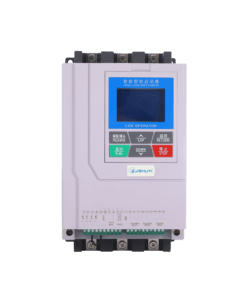
Stall Protection VFDs for Reliable Motor Operation.

Explore stall protection VFDs for reliable motor operation. Learn how stall prevention features protect motors from overcurrent and mechanical jams.
Introduction
Motors can stall under heavy loads or mechanical jams, leading to dangerous overcurrent conditions. This overheating can damage motor windings and permanently destroy the motor. Stall protection VFDs address this problem effectively. Specifically, these drives monitor motor current and adjust operation to prevent damaging stall conditions. If your facility operates motors in demanding applications, stall protection VFDs provide essential protection that extends equipment life and reduces downtime.
How Stall Protection Works
Stall protection functions by continuously monitoring the motor’s current. When a VFD detects that the motor current exceeds a preset threshold, it takes corrective action. For instance, during acceleration, if the current becomes too high, the VFD can slow down the acceleration rate until the current drops to a normal level. During constant speed operation, the VFD can decelerate the motor when it detects an overcurrent condition and then accelerate it back to normal speed once the current returns to safe levels. This automatic adjustment prevents the motor from drawing damaging current levels while still allowing it to continue operating.
Stall Prevention During Operation
Modern stall protection VFDs offer stall prevention in three key operating phases. First, acceleration stall prevention controls the acceleration rate to prevent overcurrent during startup. Second, deceleration stall prevention manages the deceleration rate to prevent overvoltage conditions. Third, constant speed stall prevention detects overcurrent during normal operation and adjusts the motor speed accordingly. Some advanced stall protection systems can detect when a motor has become mechanically jammed or stuck. When this occurs, the system can temporarily increase the V/f ratio to deliver a high-torque “shaking” effect to free the jammed load.
Benefits of Stall Protection
Stall protection VFDs deliver several important advantages. First, they prevent motor burnout from prolonged overcurrent conditions. Second, they reduce unnecessary downtime by keeping motors running through temporary overloads. Third, they protect connected equipment from mechanical jams. Fourth, they simplify system design by integrating protection functions. Fifth, they reduce maintenance costs through automatic protection.
Common Applications
Stall protection VFD serve many demanding applications where motor stalls are possible. In pumping systems, they prevent damage when pumps seize from debris or deposits. In conveyor systems, they protect against jams. In material handling, they prevent overload damage. In cranes and hoists, they ensure safe operation. Any application with variable loads benefits from stall protection VFDs.

Conclusion
Stall protection VFD provide essential motor protection in demanding industrial applications. Their ability to detect and respond to stall conditions protects motors from damage and reduces downtime. When you need reliable motor operation with built-in protection, stall protection VFD deliver the performance you need.
stall protection VFDs
reliable motor operation
overcurrent protection
acceleration stall prevention
mechanical jam
motor protection
pumping systems
conveyor systems
current monitoring
industrial equipment