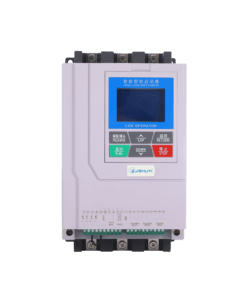
Adjustable Speed Drives for Energy-Efficient Motor Control
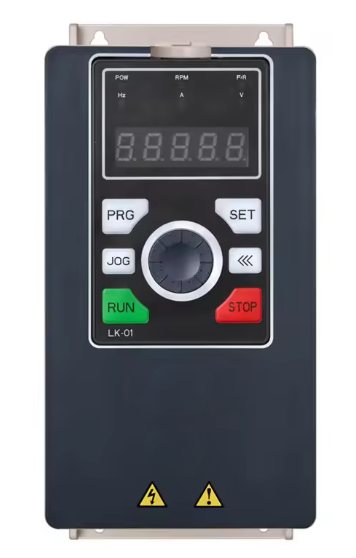
Explore adjustable speed drives for energy-efficient motor control. Learn how ASD technology reduces energy consumption, extends equipment life, and improves process control in industrial applications.
Introduction
Adjustable speed drives are power electronics systems that regulate the speed and torque of electric motors . Rather than operating at fixed speed, ASD allows you to match motor output to actual load requirements. Specifically, this capability reduces energy waste and extends equipment life . If your facility uses motors for fans, pumps, or conveyors, adjustable speed drives deliver significant energy savings and process improvements.
How Adjustable Speed Drives Work
ASDs convert incoming fixed-frequency AC power into variable-voltage, variable-frequency output . The drive rectifies AC power to DC, filters it, and then inverts it back to AC at controlled frequency and voltage using pulse-width modulation (PWM) . Most ASDs maintain a constant voltage-to-frequency ratio to keep motor flux at rated levels. Advanced vector control strategies allow independent regulation of torque and flux components, delivering dynamic response comparable to DC motor performance . This technology provides precise control across a wide speed range.
Energy Savings with Adjustable Speed Drives
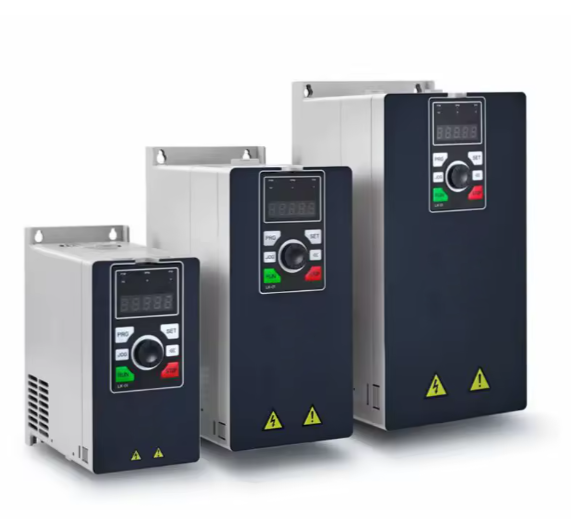
Energy efficiency is the primary driver for ASD adoption in variable-torque loads such as fans and pumps. According to affinity laws for centrifugal machines, power varies with the cube of speed . Reducing fan speed to 80% of rated speed cuts power demand to approximately 51% of rated power . A table from Pacific Power illustrates this effect: reducing flow from 100% to 50% cuts required power to just 12.5% . Energy savings of 20 to 70% are typical in HVAC and pumping applications, with payback periods often under two years .
Benefits of Adjustable Speed Drives
Adjustable speed drives deliver several important advantages beyond energy savings. First, they provide gentle startups and gradual shutdowns, extending equipment life and reducing breakdowns . Second, they improve process control. Speed adjustment through electronic control responds faster than valves or dampers . Third, they reduce maintenance requirements. Less mechanical stress means fewer repairs and lower operating costs . Fourth, they improve system reliability. ASDs eliminate the need for mechanical flow control devices that wear out. These benefits make ASDs essential for modern industrial operations.
Common Applications
Adjustable speed drive serve many industries and applications . In HVAC systems, they control fans and pumps as loads vary with occupancy and weather. In water and wastewater treatment, they regulate pump flow control . In manufacturing, they drive conveyors, mixers, compressors, and extruders requiring controlled torque profiles . Industrial conveyors, mixers, and extruders benefit significantly from ASD integration . Commercial building systems and renewable energy applications also rely on adjustable speed drive .
Conclusion
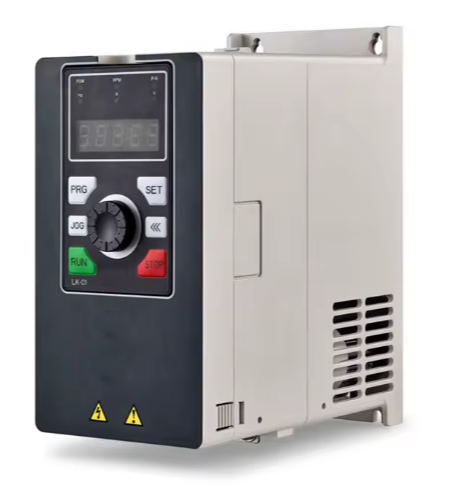
Adjustable speed drive provide effective motor control that reduces energy consumption, extends equipment life, and improves process reliability. Their ability to match motor speed to load demand makes them essential for modern industrial applications. When you need to reduce energy costs and improve motor control, adjustable speed drive deliver consistent performance. By selecting the right ASD for your application, you can achieve significant energy savings and long-term operational benefits.
adjustable speed drives
energy-efficient motor control
variable-torque loads
affinity laws
pulse-width modulation
HVAC systems
water treatment
process control
energy savings
industrial applications