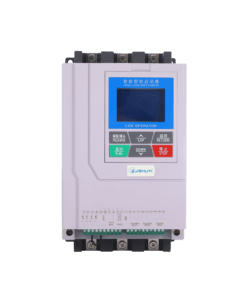
Direct VFD – Reliable Variable Frequency Drive.

A direct VFD controls motor speed without extra hardware. Learn its key features and where it fits best in your setup.
Direct VFD: Straightforward Speed Control for Motors
Some drives need filters, reactors, or long cable runs to work right. A direct VFD keeps it simple. It connects straight to the motor and controls speed by adjusting frequency and voltage. No extra components, no complicated wiring. That straightforward setup makes it a smart pick for pumps, fans, and conveyors. When you want reliable motor control without a lot of fuss, this drive type delivers.
How It Delivers Clean, Simple Control
So what makes a direct VFD a solid choice? Start with the layout. These drives take incoming AC power, rectify it to DC, then rebuild it at the frequency your motor needs. That process gives you smooth speed control from a standstill up to full speed. Many models include built-in overload and overvoltage protection, so the drive guards the motor without extra relays. In addition, some units offer V/F control for simple jobs and sensorless vector control for higher torque at low speeds. You’ll also find keypads and remote inputs, which make setup and daily use easy.
Where It Earns Its Keep
You’ll find a direct VFD in plenty of practical spots. Think pumps that need to match flow to demand. Or fans that run slower at night to save energy. It also works well on conveyors, mixers, and small machine tools. Because the drive mounts close to the motor, you cut cable length and reduce electrical noise. That keeps the installation clean and the signal strong.
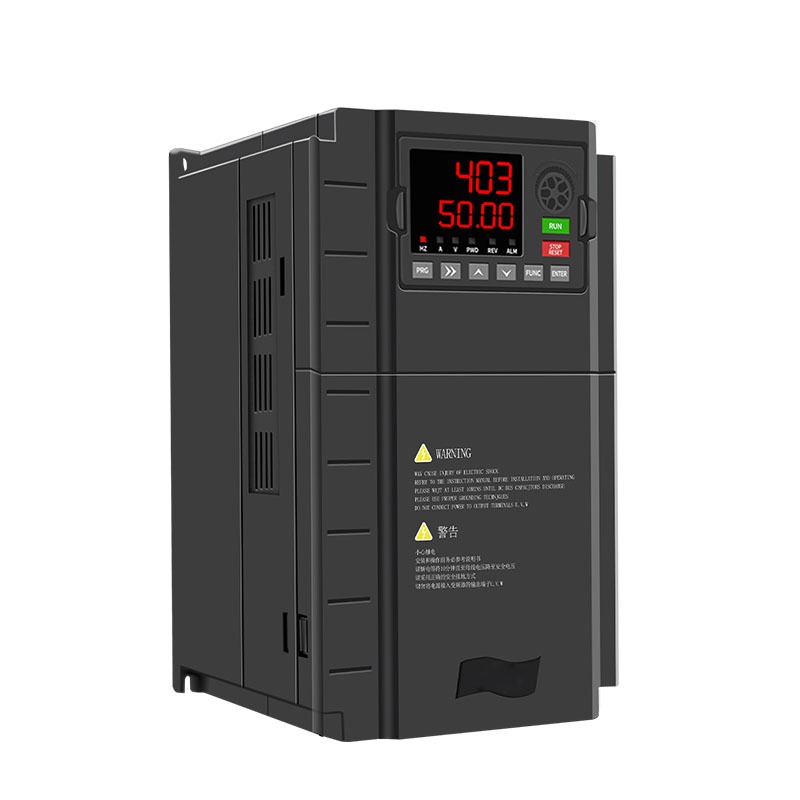
Why It’s a Smart Choice
In short, a direct VFDs gives you reliable motor control without extra hardware. It installs easily, saves energy, and protects your motor. If your project needs simple, dependable speed control, this drive type is worth a close look. Talk to a supplier to match the power rating and control mode to your job.
- direct VFD
- variable frequency drive
- motor speed control