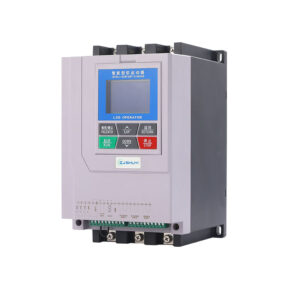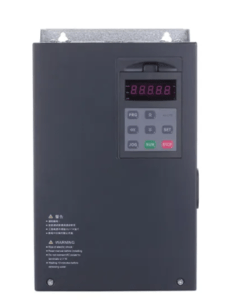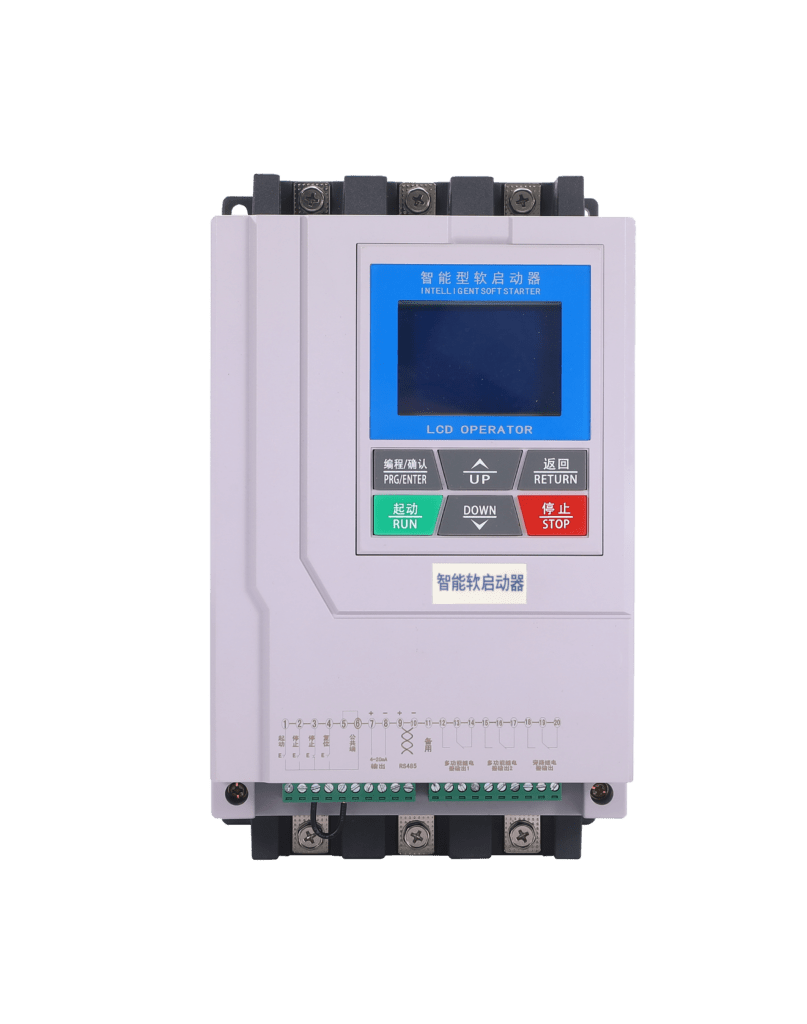
Motor Soft Starters for Controlled Acceleration.
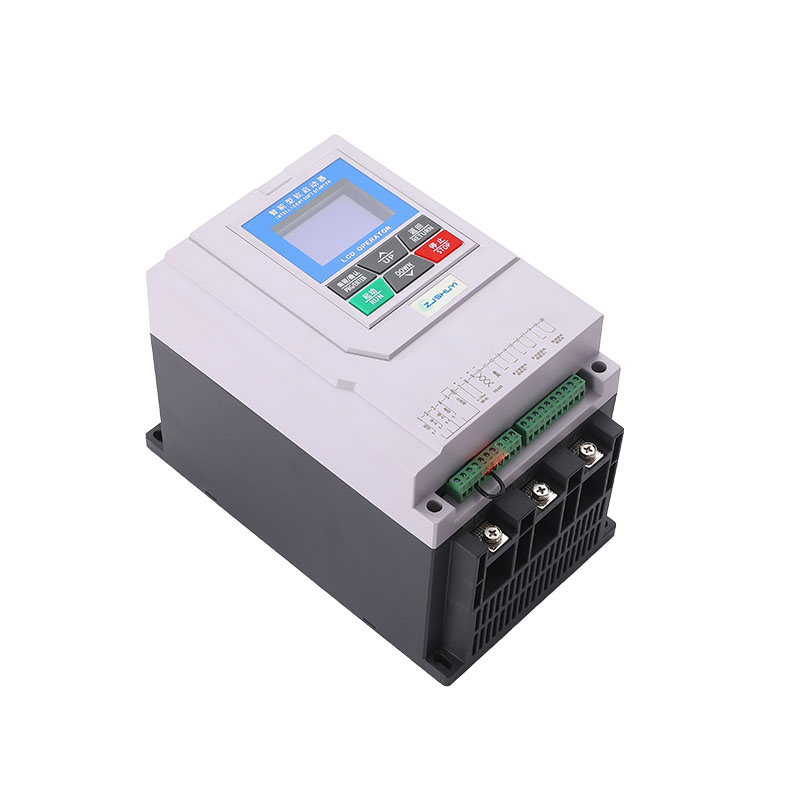
Explore motor soft starters for controlled acceleration. Learn how these devices reduce inrush current, minimize mechanical shock, and extend motor life.
Introduction
Starting a large electric motor directly across the line creates significant stress. The inrush current can reach up to eight times the normal running current. This sudden surge causes voltage dips, stresses motor windings, and creates mechanical shock. Motor soft starters offer a solution to this problem. Specifically, they gradually increase voltage during startup, providing smooth, controlled acceleration. This reduces electrical and mechanical stress on the motor and driven equipment. If your facility uses motors that start frequently, motor soft starters protect your equipment and improve overall system reliability.
How Motor Soft Starters Work
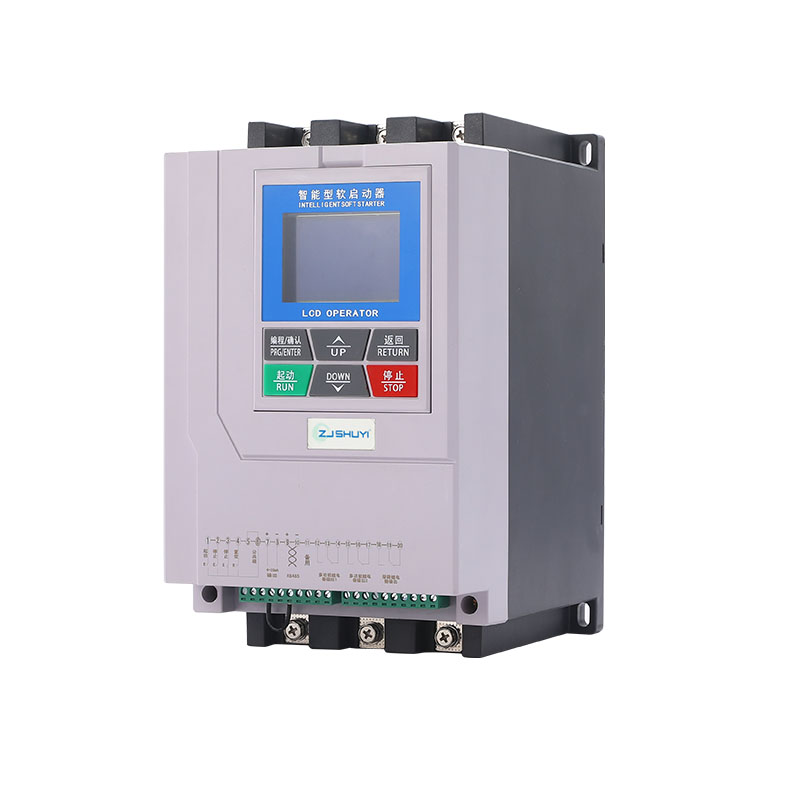
Motor soft starters use solid-state switching devices to control voltage during startup. Silicon-controlled rectifiers (SCRs) regulate the voltage applied to the motor. Instead of applying full voltage instantly, the soft starter ramps the voltage from a low starting value to full line voltage over a preset time. This process typically takes 2 to 60 seconds, depending on the application. By controlling the voltage ramp, the starter limits the inrush current to a safe level. Many modern starters also offer soft stop functionality. During shutdown, they gradually reduce voltage, preventing load surges and mechanical shocks. This capability proves particularly valuable in pumping applications to avoid water hammer.
Key Benefits of Motor Soft Starters
Motor soft starter deliver several important advantages. First, they reduce electrical stress. Lower inrush current prevents voltage dips that could affect other connected equipment. Second, they minimize mechanical shock. Smooth acceleration protects gears, belts, and couplings from sudden torque spikes. Third, they extend motor life. Reduced thermal and mechanical stress means longer winding insulation life and fewer repairs. Fourth, they improve process control. Adjustable starting parameters let you customize the acceleration curve for your specific load. Fifth, they offer energy efficiency. Unlike variable frequency drives, soft starter consume minimal energy when the motor runs at full speed.
Applications Across Industries
Motor soft starters serve many industries. In water and wastewater treatment, they control large pumps, reducing water hammer and pipe stress. In HVAC systems, they start chillers, compressors, and large fans smoothly. In material handling, they accelerate conveyors without belt or drive damage. In mining, they start crushers and milling equipment with controlled torque. In manufacturing, they operate extruders, mixers, and presses. Motor soft starter also protect generators by limiting starting current when power sources are limited. Any application with a large motor benefits from controlled starting.
Selecting the Right Motor Soft Starter
Choosing the appropriate motor soft starter requires careful evaluation. First, match the current rating to your motor’s full load current. Include a safety margin for continuous duty. Next, consider the starting torque requirements of your load. High-inertia loads may need longer start times. Evaluate the duty cycle. Frequent starts generate more heat, which may require a higher-rated soft starter. Check the available supply voltage and ensure compatibility. Consider built-in protection features such as overload protection, phase loss detection, and thermal monitoring. Also, evaluate communication capabilities for integration with control systems.
Conclusion
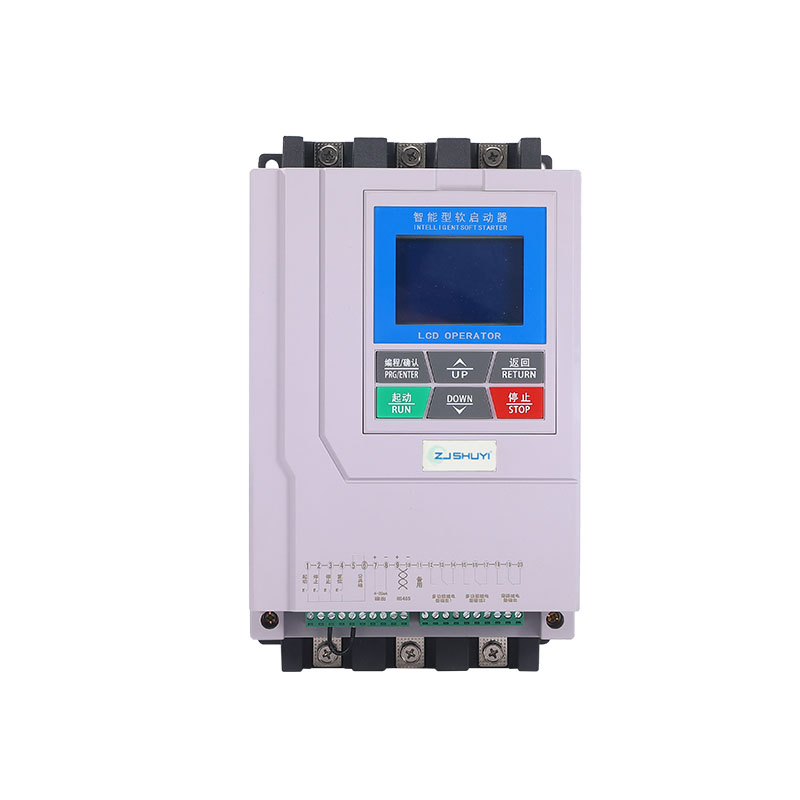
Motor soft starter provide an effective and economical solution for controlling motor starts. They reduce electrical and mechanical stress, extend motor life, and improve process reliability. When you need to start large motors without the harsh impact of direct-on-line starting, motor soft starter deliver consistent performance. By selecting the right motor soft starter and configuring it properly, you can achieve smooth, controlled motor operation that benefits both equipment and processes.
motor soft starters
controlled acceleration
inrush current
mechanical shock
voltage dips
motor protection
water hammer
material handling
starting torque
process reliability