Solar Inverter : The Heart of Your PV System.
Learn how a solar inverter converts DC to AC power for your PV system. Discover key features that maximize energy output and reliability.
What Does a Solar Inverter Actually Do?
Think of a solar inverter as the brain of your photovoltaic system. Solar panels generate direct current (DC) electricity, but your home and the grid run on alternating current (AC). The PV inverter handles this crucial conversion. It takes the DC power from your panels and turns it into usable AC power. Without this device, your solar energy would stay trapped in a form you cannot use. Choosing the right solar power inverter makes all the difference in how much energy your system actually delivers. It is not just a converter—it is the gateway to making solar power work for you.
Efficiency Matters for Maximum Output
When you invest in solar, you want every ray of sunlight to count. That is why inverter efficiency directly impacts your system’s performance. A high-quality photovoltaic inverter converts over 97% of the DC power into AC power. This means less energy wasted as heat. Many modern solar inverters also feature maximum power point tracking (MPPT). This technology constantly adjusts to changing light conditions, ensuring your panels operate at their peak. If you are looking to get the most out of your installation, a reliable solar energy inverter with multiple MPPT inputs gives you flexibility for panel layouts and reduces losses from shading.
Built to Last in All Conditions
Solar equipment faces a tough life outdoors. Rain, heat, dust, and even snow can take a toll. A well-designed PV solar inverter uses robust enclosures with high IP ratings, protecting internal components from moisture and debris. Cooling systems—either natural convection or forced fans—keep the unit running within safe temperature ranges. Many grid-tie inverters include surge protection to guard against lightning strikes or grid fluctuations. When you choose a durable solar panel inverter, you are not just buying performance. You are buying peace of mind for the next 10 to 15 years or more.
Smart Features for Modern Homes
Today’s photovoltaic solar inverter does more than just convert power. It also communicates. Many models include built-in Wi-Fi or Ethernet ports, allowing you to monitor your system remotely. You can see real-time output, track historical data, and receive alerts if something goes wrong. Some solar PV inverters even integrate with smart home systems. They can adjust power usage based on demand or battery storage levels. These smart features give you control and transparency over your energy production. With a modern solar inverter system, you are not just generating power—you are managing it intelligently.
Choosing the Right Inverter for Your Needs
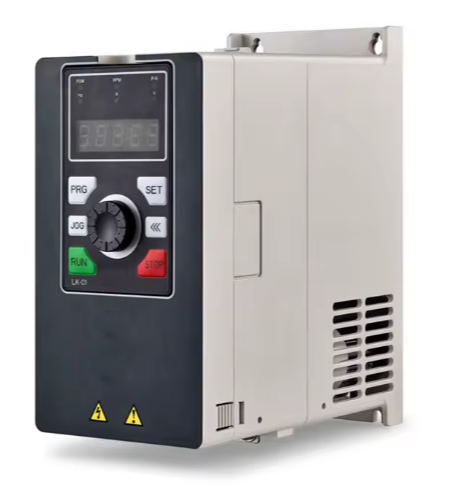
Not all inverters fit every installation. Start by looking at your system size. For small residential setups, a string solar inverter often works well. For larger systems or those with complex roof layouts, microinverters or power optimizers may be a better fit. Also consider whether you need battery compatibility. Hybrid inverters for solar panels allow you to store excess energy for nighttime or backup use. Finally, check the warranty and service support. A solid warranty shows the manufacturer stands behind their product. By matching the solar inverter to your specific needs, you ensure reliable, efficient energy for years to come.