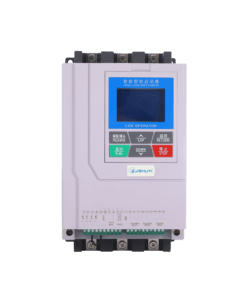
Stall Protection VFD – Prevent Motor Burnout.
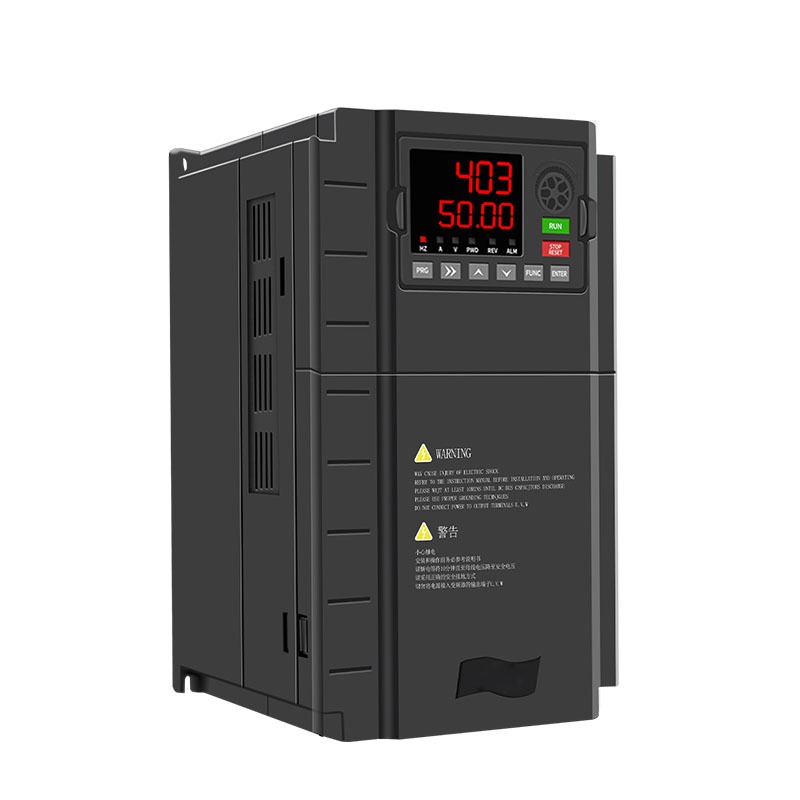
A stall protection VFD catches motor jams before damage sets in. Learn how this feature works and why it matters.
Stall Protection VFD: A Safety Net for Your Motor
Motors stall for all kinds of reasons. A jammed conveyor, a blocked pump, or a sudden overload can bring the shaft to a stop while current keeps climbing. Heat builds fast, and without protection, the winding burns out. That’s where a stall protection VFD earns its keep. It watches motor behavior in real time and steps in before a small problem turns into a costly repair.
How the Drive Catches a Stall
So how does a stall protection VFD actually work? A variable frequency drive controls motor speed by adjusting frequency and voltage. When the shaft slows or stops while current spikes, the drive reads that pattern as a stall. It can then limit current, cut output frequency, or trip and shut down. Many models let you set the trip point and response time, so you can tune the protection to your load. In addition, some drives include thermal memory that tracks heat buildup over time, which adds another layer of defense.
Where It Makes a Real Difference
You’ll value a stall protection VFDs in plenty of tough applications. Think conveyors that jam under heavy boxes. Or mixers that hit thick material and grind to a halt. Pumps that run dry also benefit, since the drive can catch the drop in load and shut down before seals wear out. In remote or unmanned sites, the drive acts as a constant watchdog. Because it reacts in milliseconds, it often saves the motor from serious damage.

Why It’s Worth Having
In short, a stall protection VFDs adds a layer of safety that pays for itself over time. It guards your motor, cuts downtime, and prevents costly rewinds. If your equipment faces variable loads or jam risks, this feature is more than a nice-to-have. Talk to a supplier about drives that build in solid stall protection.
- stall protection VFD
- variable frequency drive
- motor protection