Built-in Bypass Soft Starters for Integrated Motor Control.

Explore built-in bypass soft starters for integrated motor control. Learn how built-in bypass technology simplifies installation, saves panel space, and reduces energy loss.
Introduction
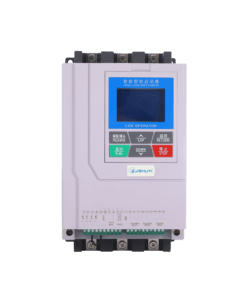
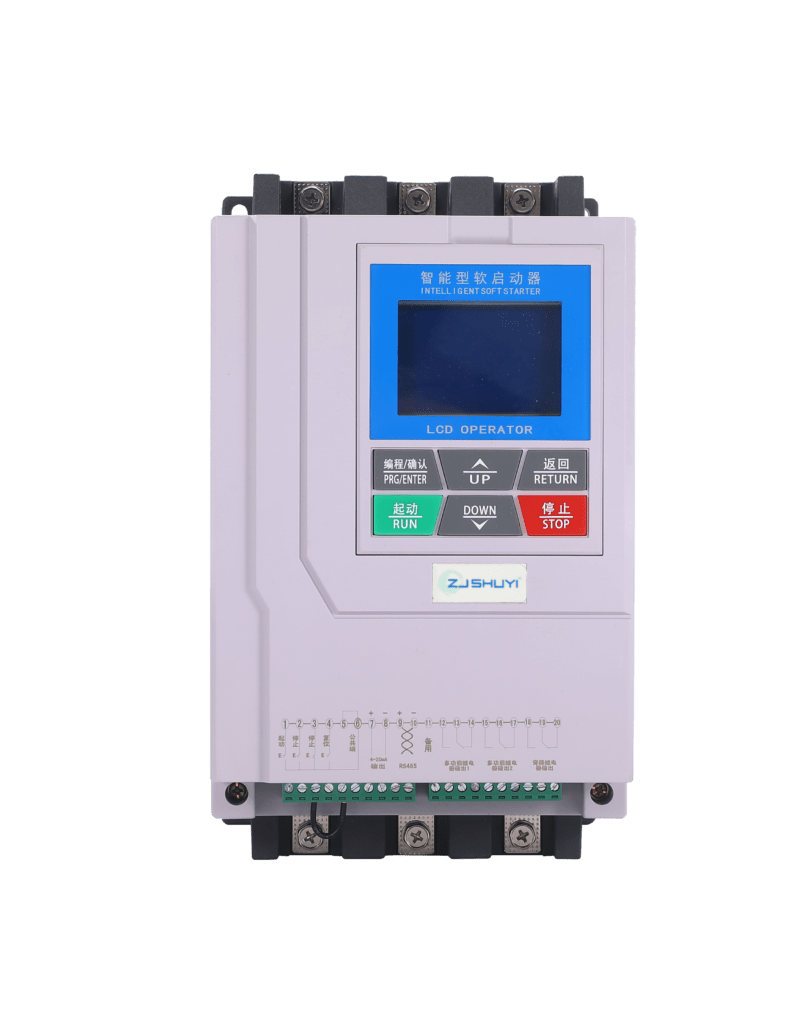
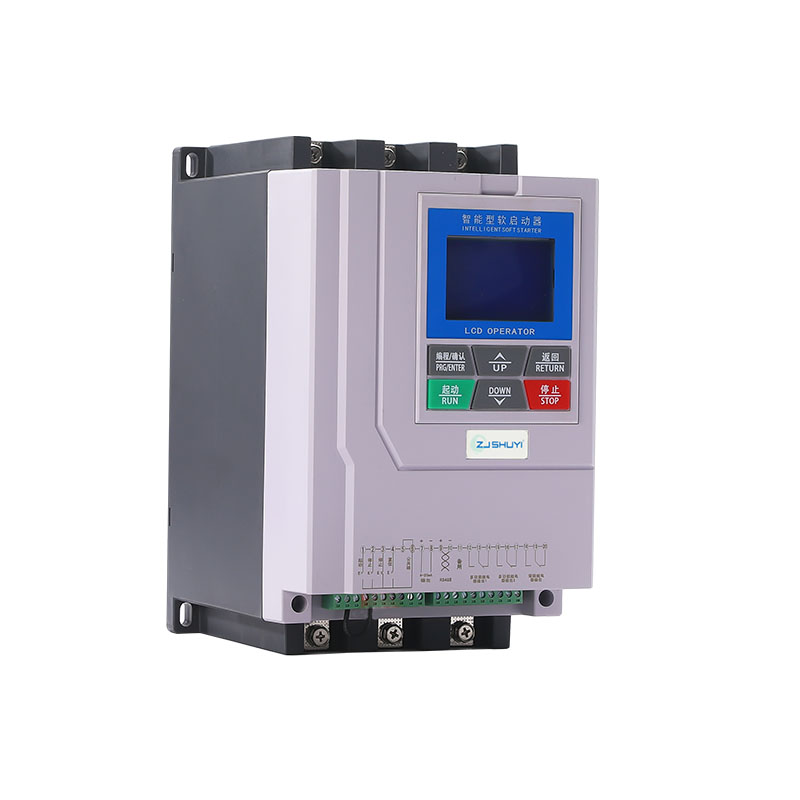
Built-in bypass soft starters integrate the bypass contactor directly inside the starter housing. Traditional soft starters require external bypass contactors to reduce heat during continuous running. Built-in bypass soft starters eliminate this external component, simplifying installation and saving panel space. Specifically, this integrated design reduces installation time and minimizes wiring errors. If your facility needs compact motor control solutions, built-in bypass soft starters offer a practical approach.
How Built-in Bypass Technology Works
A built-in bypass soft starter houses the bypass contactor within the same enclosure as the power electronics. During startup, the SCRs control voltage to the motor, providing smooth acceleration. Once the motor reaches full speed, a signal triggers the internal bypass contactor to close. This creates a direct path for current, bypassing the SCRs entirely. Consequently, the SCRs no longer carry current during continuous running. This reduces heat generation and improves energy efficiency. The built-in bypass design also protects the contactor from environmental contaminants.
Key Advantages of Integrated Design
Built-in bypass soft starters offer several benefits over traditional setups. First, they reduce panel space requirements significantly. The integrated design eliminates the need for separate bypass contactors. Second, they simplify wiring. You only need to connect input and output power cables. Third, they lower installation costs. Reduced wiring and fewer components mean faster installation and less labor. Fourth, they improve reliability. Internal connections are more secure than external wiring. Fifth, many models offer communication protocols like Modbus for system integration. These advantages make built-in bypass soft starter an attractive option for space-constrained applications.
Energy Efficiency and Heat Management
Built-in bypass soft starter excel at managing heat and improving energy efficiency. During continuous running, the bypass contactor carries the full current load. This eliminates conduction losses in the SCRs, which would otherwise generate significant heat. Some designs report heat loss reductions of approximately ten times compared to SCR-based continuous operation. The integrated design also allows for optimized cooling arrangements. Some models include dedicated heat sinks and ventilation channels specifically arranged for bypass operation. This thermal management extends component life and reduces the need for additional cooling equipment.
Common Applications
Built-in bypass soft starter serve many applications where panel space matters. In MCC (motor control center) applications, the compact footprint allows more starters per cabinet. In water and wastewater treatment, they control pumps and reduce water hammer. In HVAC systems, they start chillers and large fans efficiently. In material handling, they accelerate conveyors smoothly. In mining and mineral processing, they drive crushers and conveyors. Their integrated design simplifies installation in OEM equipment where space is limited.
Selecting the Right Built-in Bypass Soft Starter
Choosing the appropriate built-in bypass soft starter requires careful evaluation. First, match the current rating to your motor’s full load current. Typical ratings range from 210A to 1100A for low-voltage models. Next, check the voltage compatibility. Most units operate from 208V to 690V. Consider the starting method that best suits your load. Options include current limit, current ramp, and voltage ramp starting profiles. Evaluate the protection features needed. Comprehensive motor protection functions typically include phase loss, over-voltage, under-voltage, overload, over-heat, and over-current protection. Also, consider communication capabilities for integration with your control system.
Conclusion
Built-in bypass soft starter provide efficient, space-saving motor control for industrial applications. Their integrated design eliminates external bypass components, simplifies installation, and reduces heat generation. When you need compact motor starting solutions with reliable bypass operation, built-in bypass soft starter deliver consistent performance. By selecting the right current rating and features for your application, you can achieve efficient, reliable motor control in minimal panel space.
built-in bypass soft starters
integrated motor control
panel space
bypass contactor
SCRs
heat dissipation
MCC applications
current rating
motor protection
energy efficiency