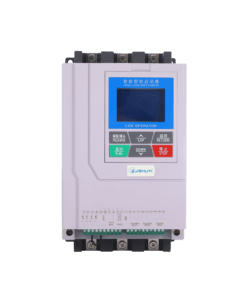
Three Phase Vector VFDs for High Torque Control.

Explore three phase vector VFDs for high torque control. Learn how vector control technology delivers precise motor speed and torque regulation for demanding applications.
Introduction
Three phase vector control VFDs represent the leading technology in variable frequency drives. They offer precise speed and torque control for AC motors. Specifically, vector control decouples the motor flux and torque components. This allows independent control of both parameters. If your application requires precise speed regulation or high starting torque, three phase vector VFDs deliver exceptional performance.
How Vector Control Works
Vector control, also known as field-oriented control (FOC), operates by mathematical transformation. The VFD measures the motor currents and calculates the rotor position. It then transforms the currents into two independent components: flux-producing current and torque-producing current. This decoupling allows the VFD to control the motor like a separately excited DC motor. The result is precise speed control even at low speeds. Torque response is fast and accurate. Many modern vector VFDs operate without encoders. They use sensorless vector control that estimates rotor position from electrical parameters.
Key Features of Vector VFDs
Three phase vector VFDs incorporate several features that make them suitable for demanding applications. First, they provide high starting torque. Many models deliver 150% to 180% rated torque at just 0.5 to 1 Hz. Second, they offer wide speed control range. Sensorless vector control achieves 1:100 speed range. Closed-loop vector control reaches 1:1000 with an encoder. Third, they ensure fast dynamic response. Torque and flux can change within 5 to 10 milliseconds. Fourth, they reduce torque ripple, resulting in smoother operation.
Common Applications
Three phase vector VFDs serve many demanding applications. In CNC machining, they provide precise speed control for accurate cutting. In elevator systems, they enable smooth starts, stops, and leveling. In cranes and hoists, they deliver high starting torque for lifting heavy loads. In textile machinery, they maintain constant tension. In extruders and injection molding machines, they maintain consistent torque under varying loads.
Selecting the Right Vector VFD
Choosing the appropriate three phase vector VFD requires careful evaluation. First, match the power rating to your motor’s full load power. Consider both continuous and overload ratings. Next, evaluate the control mode needed. Sensorless vector control suits most applications. Closed-loop vector control may be required for ultra-precise positioning. Consider the starting torque requirement. High-inertia loads need models with high starting torque ratings. Check communication capabilities.

Conclusion
Three phase vector VFD provide high-performance motor control for demanding applications. Their precise torque and speed control, high starting torque, and wide speed range make them essential for modern automation. When you need accurate, responsive motor control, three phase vector VFD deliver reliable performance.
three phase vector VFDs
high torque control
field-oriented control
sensorless vector control
starting torque
CNC machining
elevator systems
torque ripple
industrial automation
speed regulation